Branding design
These projects represent my ongoing branding design work as a freelance graphic designer alongside my full-time roles. I’ve been working independently since 2017, when I began taking on client projects that gradually grew into long-term freelance collaborations. Over time, this experience has enabled me to work with a diverse range of business clients across various industries, developing multi-channel marketing assets that include digital advertising, brand campaigns, and print collateral.
Maintaining a freelance practice has strengthened my ability to manage projects independently, adapt quickly to different brand voices, and design with clear business objectives in mind. It has also sharpened my communication skills and sense of accountability, as I often work directly with stakeholders to translate goals into effective, scalable creative solutions.
M42 SPACETIME INTERVAL
‘Back to Nature’ is the motto of M42 Spacetime Interval Resort, situated in Ken-Ting National Park, Taiwan. Surrounded by the beautiful eastern shore in Manzhou Township and YaGou Blue, famous for its serene waves crashing against the raging ocean, the resort is a perfect destination for travelers seeking both nature and culture. At midnight, visitors can witness the spectacular Orion Nebula (M42, NGC 1976) in the sky, adding to the unique experience.
The brand identity concept of M42 Spacetime Interval Resort is inspired by the invisible nature of time that exists in every process of nature, from the astronomical operation to the changing clouds and sea waves. Often, people forget to enjoy their time and pace themselves in the fast-paced world. However, at the M42 Spacetime Interval Resort, guests can stop their steps, observe the subtle changes of nature, and feel the operational time. The resort aims to create a peaceful and inspiring brand that connects people with nature and culture, encouraging them to enjoy their time and relax.


Kula Coffee
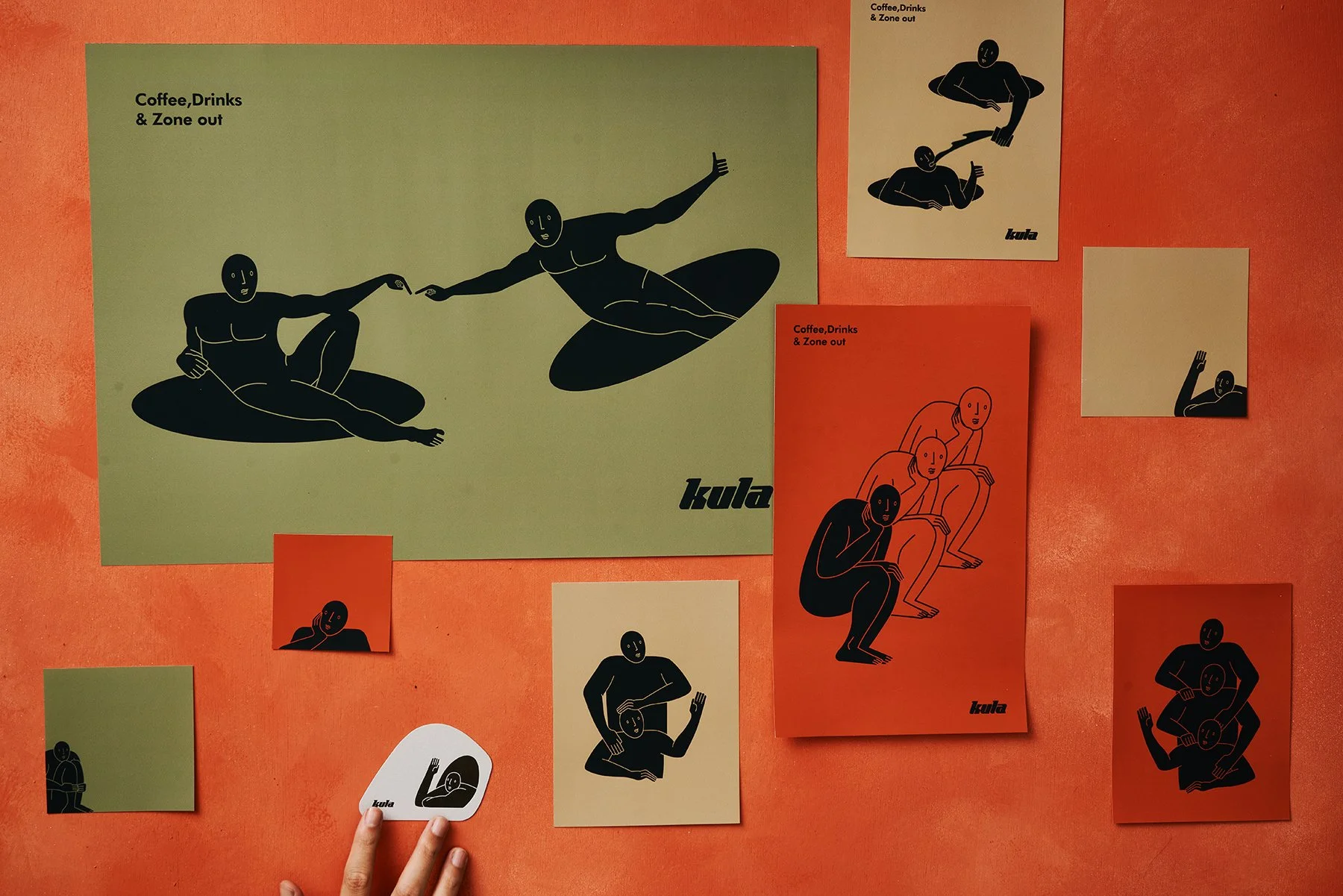
Kula symbolizes the dents and holes in a person’s life.
Rather than hiding our flaws, Kula encourages people to soften, sink, and rest inside them. It’s a space that celebrates emotional gravity, the moments when you fall and choose not to immediately get up. The Tone is warm, introspective, and slightly rebellious. It embraces heaviness but never feels dark. Color Palette: Earthy tones, muddy neutrals, soft shadowy browns, and muted grays. Colors that feel heavy, grounded, and intimate. Occasional warm highlights echo candlelight or late-afternoon sun slipping through a narrow alley. Typography: Organic forms, rounded edges, slightly uneven type. Textures: Rough clay, smudges, subtle dents, and soft shadows. Surfaces look loved, worn, and a bit flawed intentionally.
Missing Masterpiece Exhibition
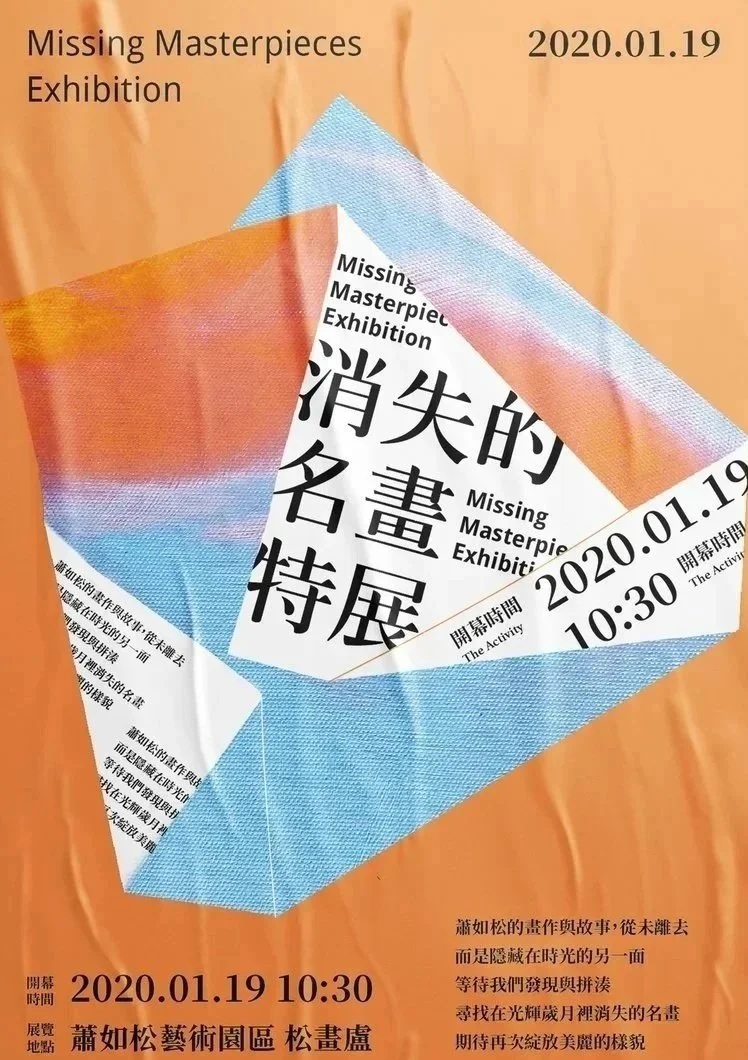
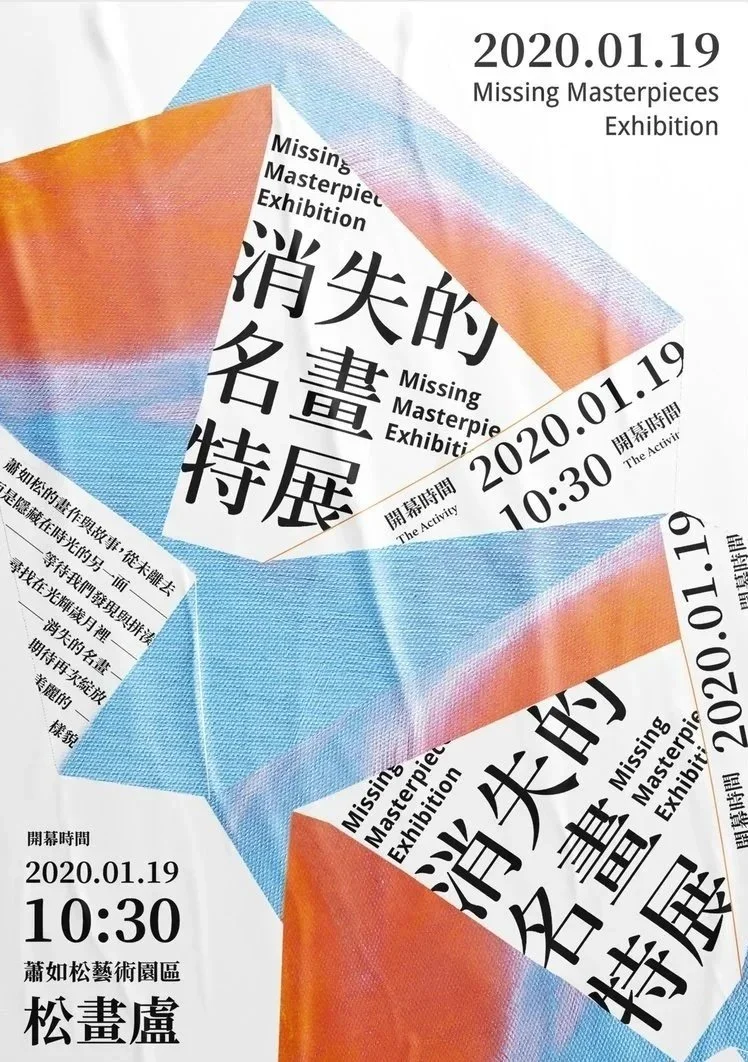
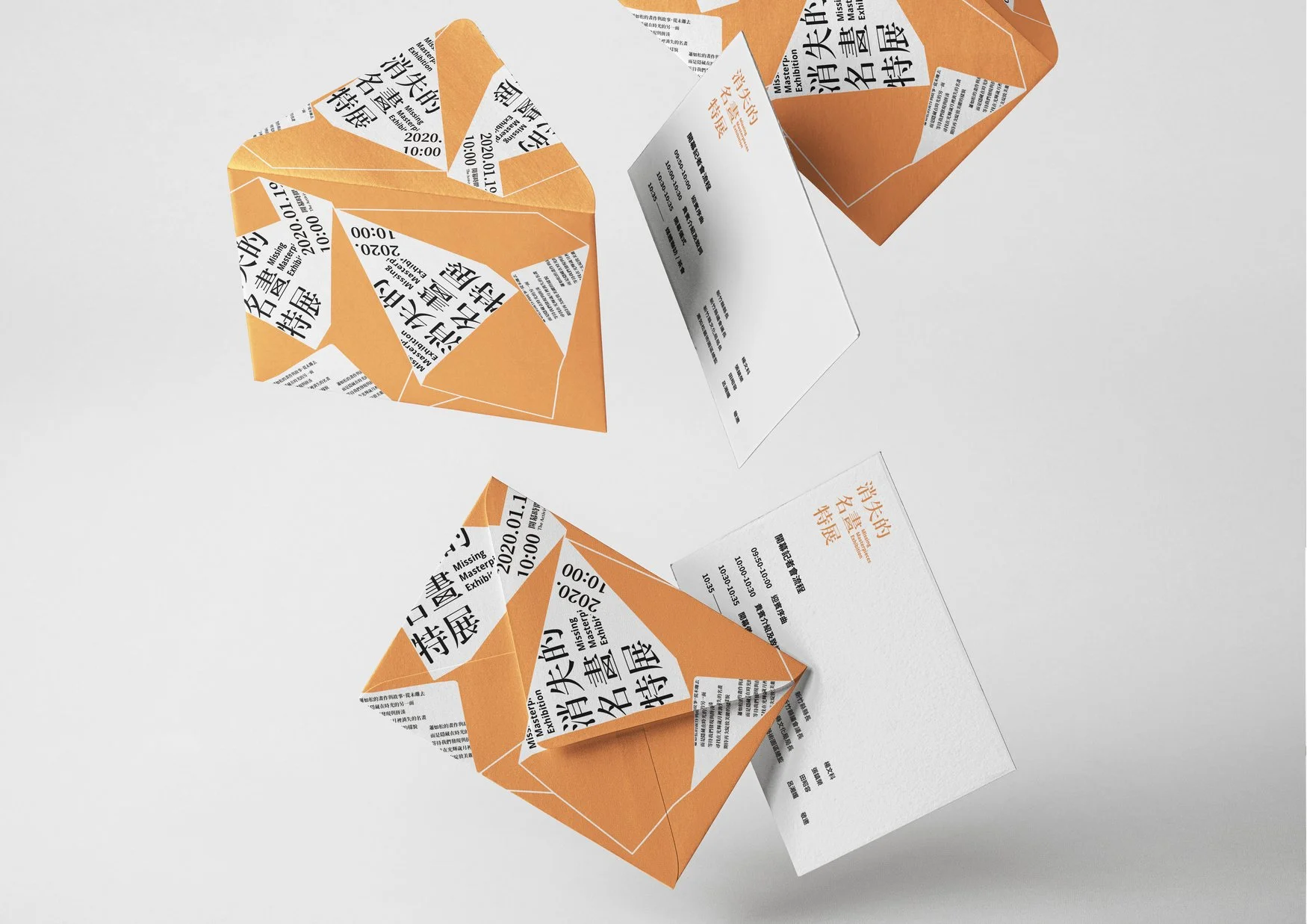
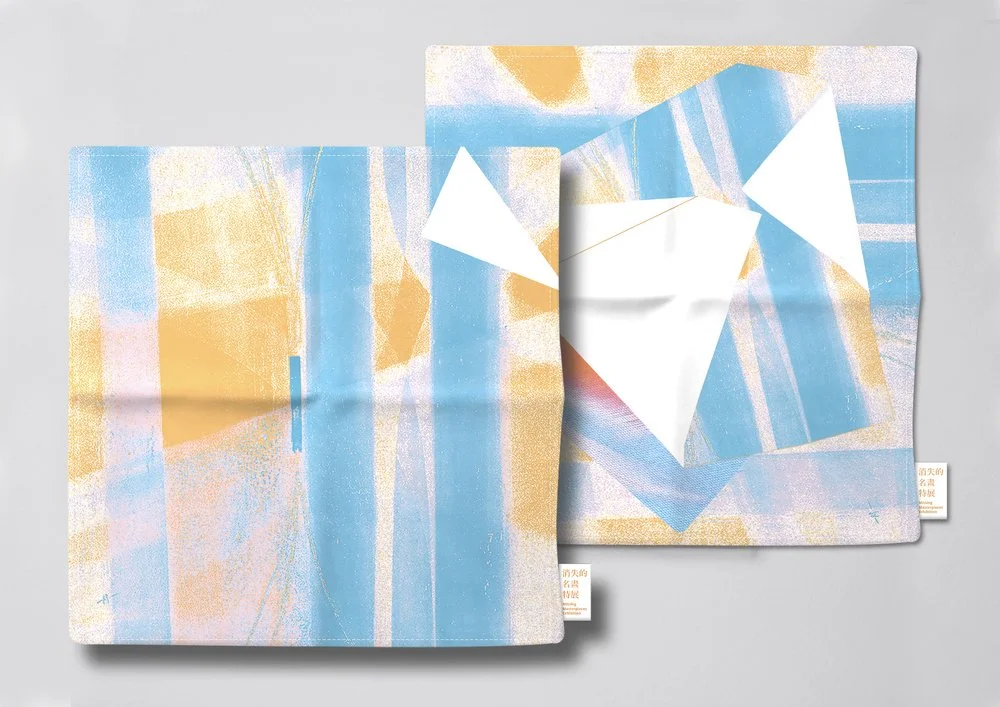
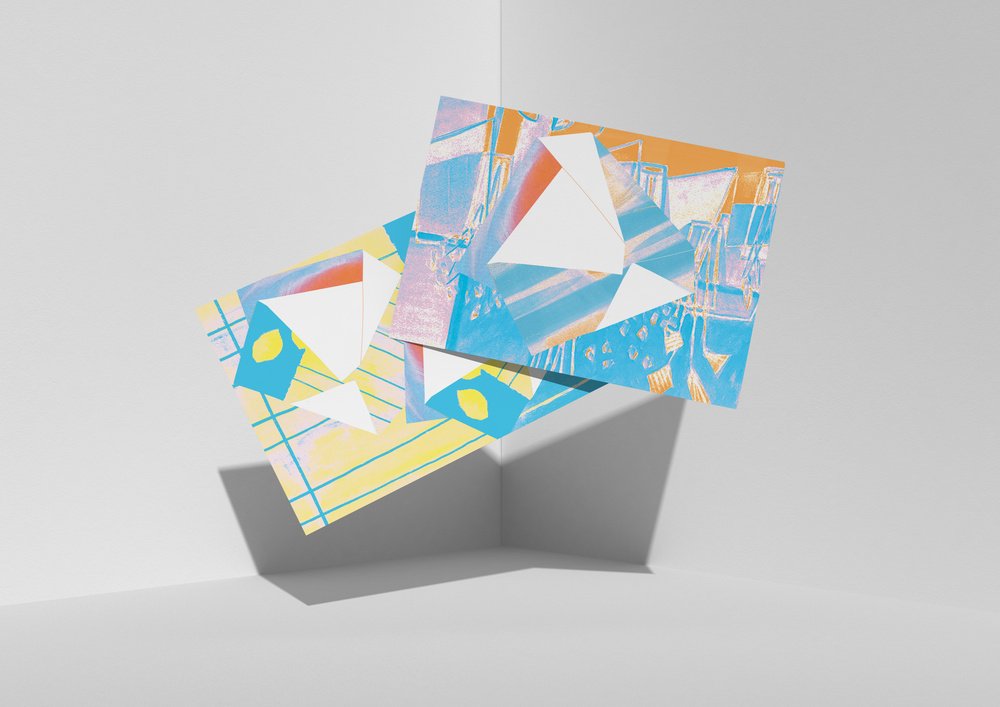
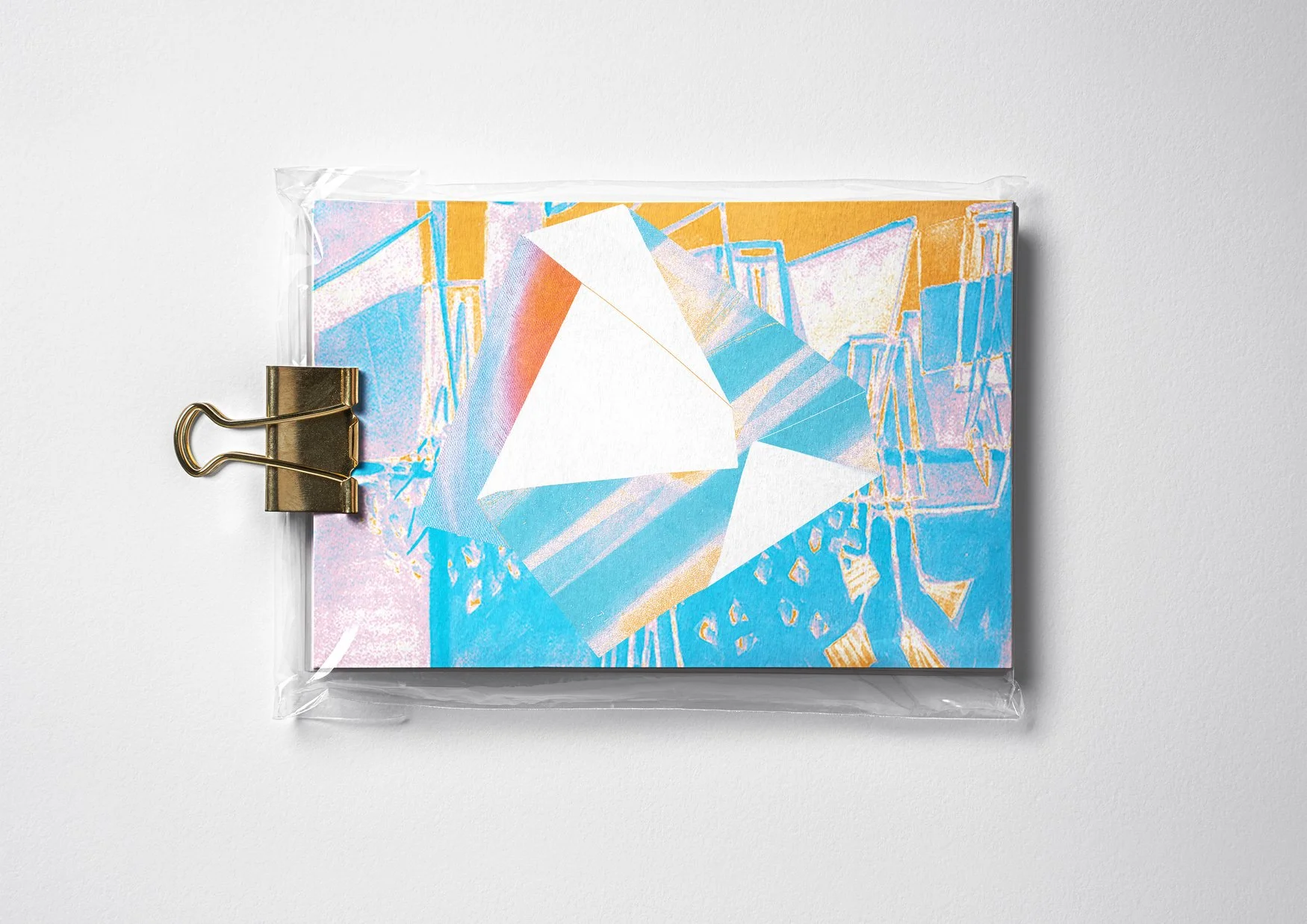
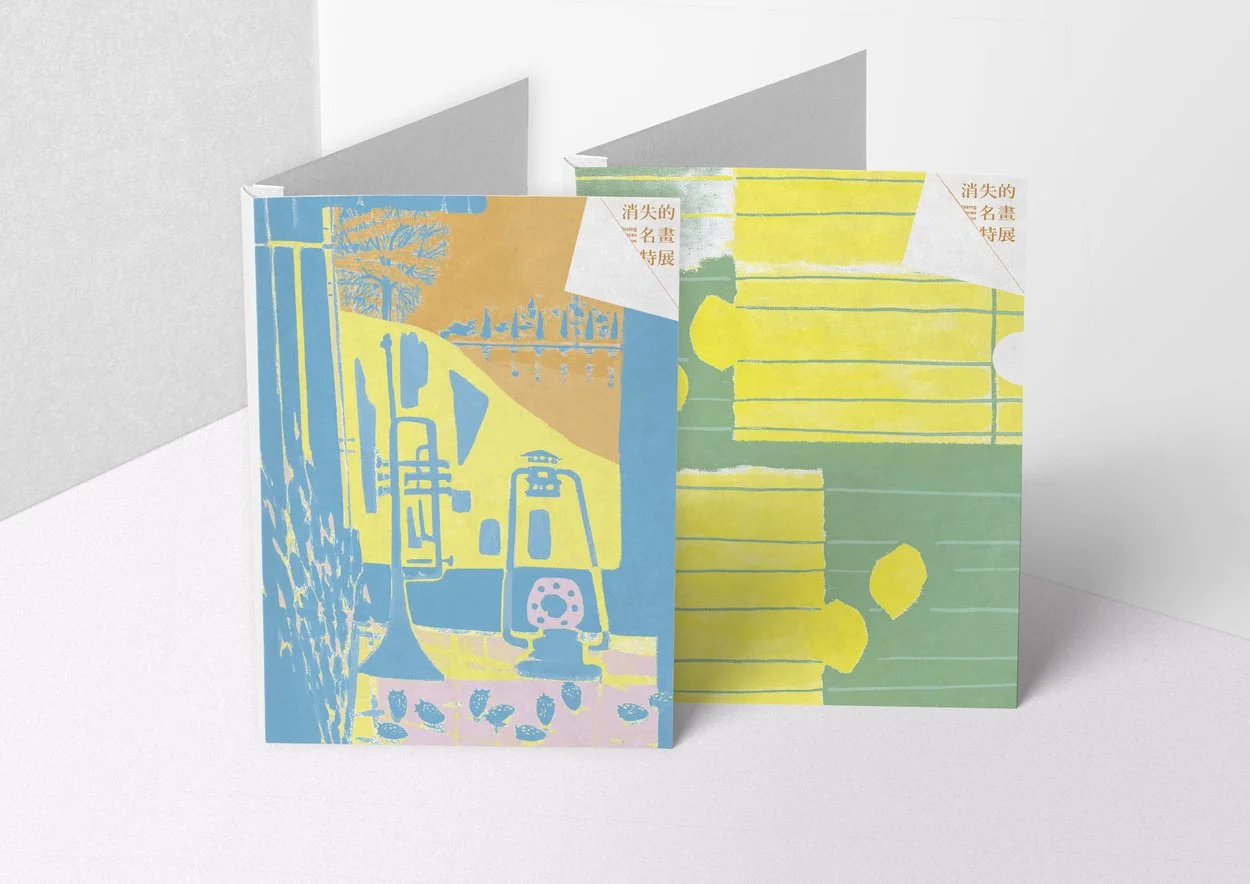
Missing is an exhibition curated under the guidance of Taiwan’s Ministry of Culture and hosted by the Hsinchu County Government and Council. The exhibition aims to present the masterworks of the Xiao Ru-Song Art Park.
The core concept of the exhibition is that “missing does not mean disappearing; it means discovering what has yet to be seen within past masterpieces.” The visual language is built around the imagery of folded paper combined with artworks from Xiao Ru-Song’s Spring series. Through the act of unfolding these visual elements, visitors are invited to explore previously undiscovered inspiration and stories from the artist’s work, while also reflecting on his artistic achievements and legacy.
History of Xiao Ru-Song Art Park
Xiao Ru-song, born in 1922 in Beipu Township, Hsinchu County, was a Taiwanese Hakka contemporary watercolor artist. Beginning in the 1950s, his work incorporated elements of Impressionism, Cubism, and Fauvism, which he combined with traditional Far Eastern calligraphic lines and brushstrokes to create a distinctive painting style. After Xiao passed away in 1992, his former residence remained untended for many years and gradually fell into a state of disrepair.
Subsequently, the Hsinchu County Cultural Affairs Bureau proposed plans for the Xiao Ru-song Art Park and, in May 2004, established a preparatory committee that invited academics, experts, and local community leaders to contribute their insights.
Their research led to the restoration of Xiao Ru-song’s former residence to its original appearance, as well as the reconstruction of the surrounding dormitories. The park officially opened in 2008, and its grounds fully preserve the architectural features and gardens from the Japanese colonial period. Today, it stands as an important cultural and exhibition space in Zhudong, Hsinchu.
The park displays more than one hundred of Xiao’s original artworks and reproductions, and regularly collaborates with public and private art museums to present exhibitions. These efforts allow local art lovers and the general public to engage with and learn from Xiao Ru-song’s artistic legacy.